

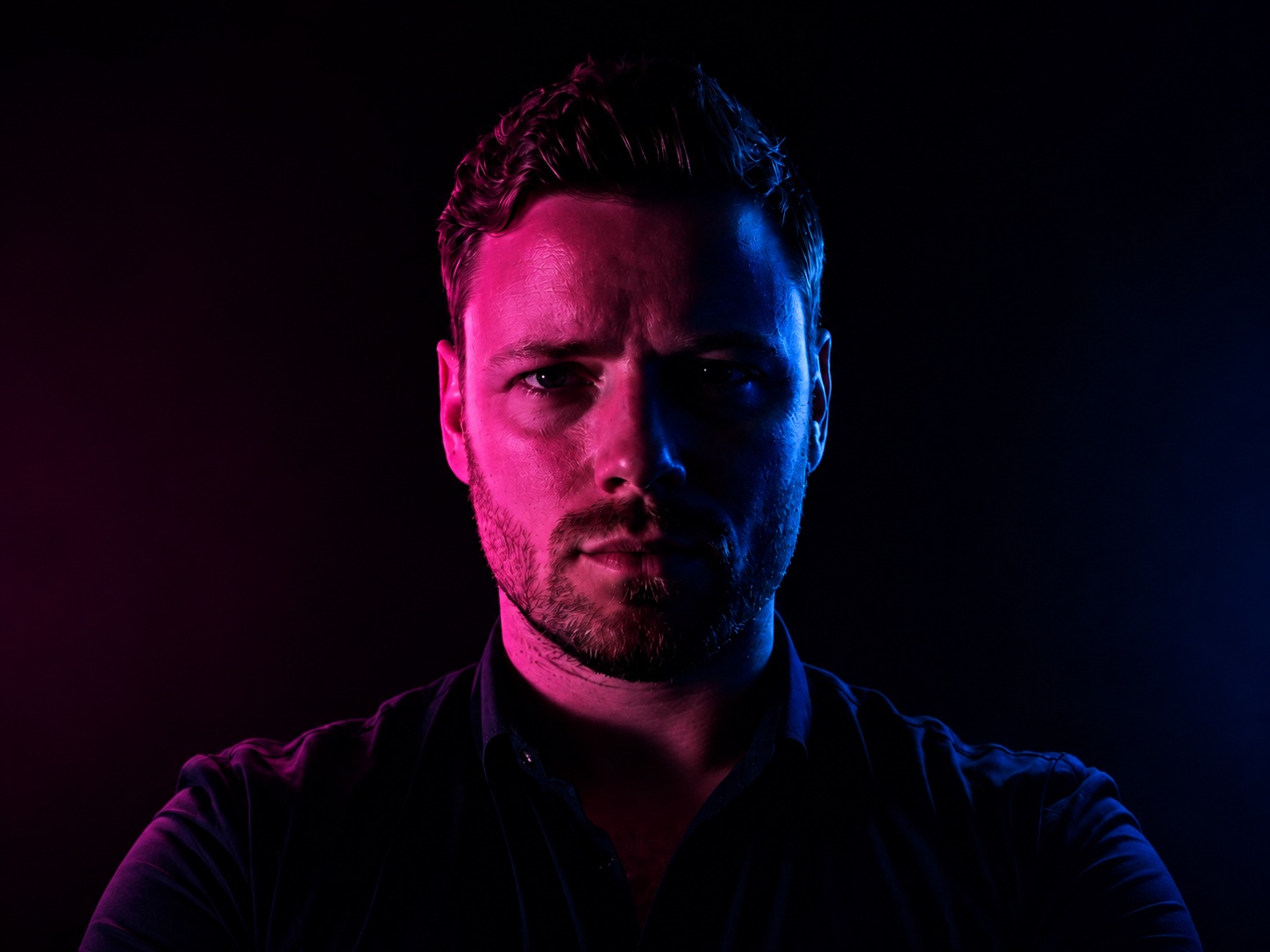
In scenography, light is more than illumination. It shapes atmosphere, directs attention, and turns static architecture into a spatial narrative. As a digital scenographer, I use it to test how intensity, direction, contrast, and color alter both perception and emotional response.
The following analysis explores how identical architectural features—a brick-walled, minimalist space—can be dramatically reimagined through distinct lighting methodologies. Each scenario illustrates the interplay between light, emotion, and perception.
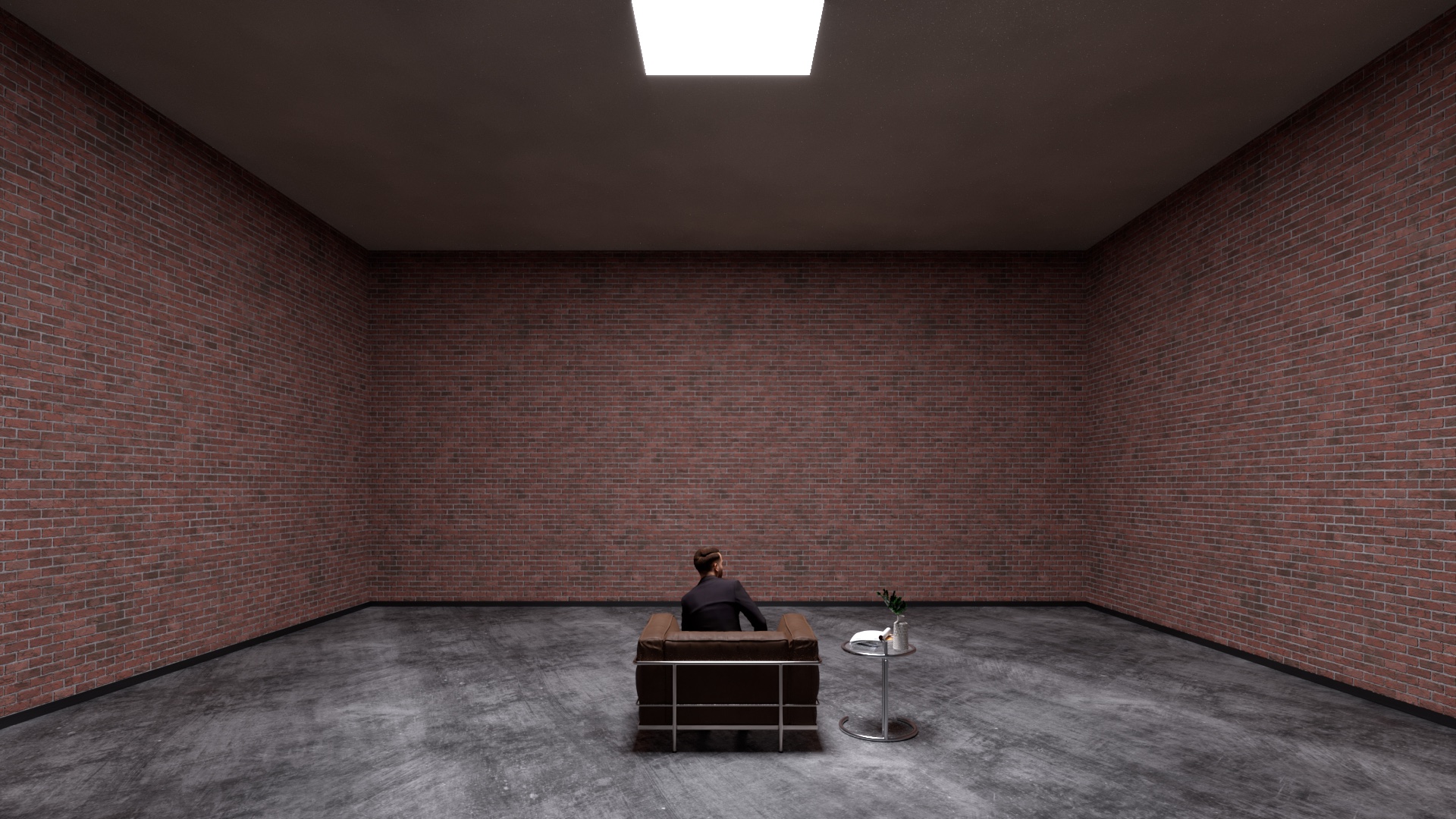
1. Central Light Source with Diffused Ceiling Illumination
Lighting Technique: A centrally positioned, large-scale light panel provides uniform illumination throughout the space. Emotional Effect: This configuration creates a neutral, functional atmosphere that feels stark and impersonal, ideal for pragmatic environments such as offices or presentation spaces. The uniform illumination minimizes contrast, leading to a sense of visual monotony and sterility that undermines any sense of warmth or inviting ambiance. As a result, the overall spatial quality feels utilitarian rather than conducive to comfort or prolonged engagement.
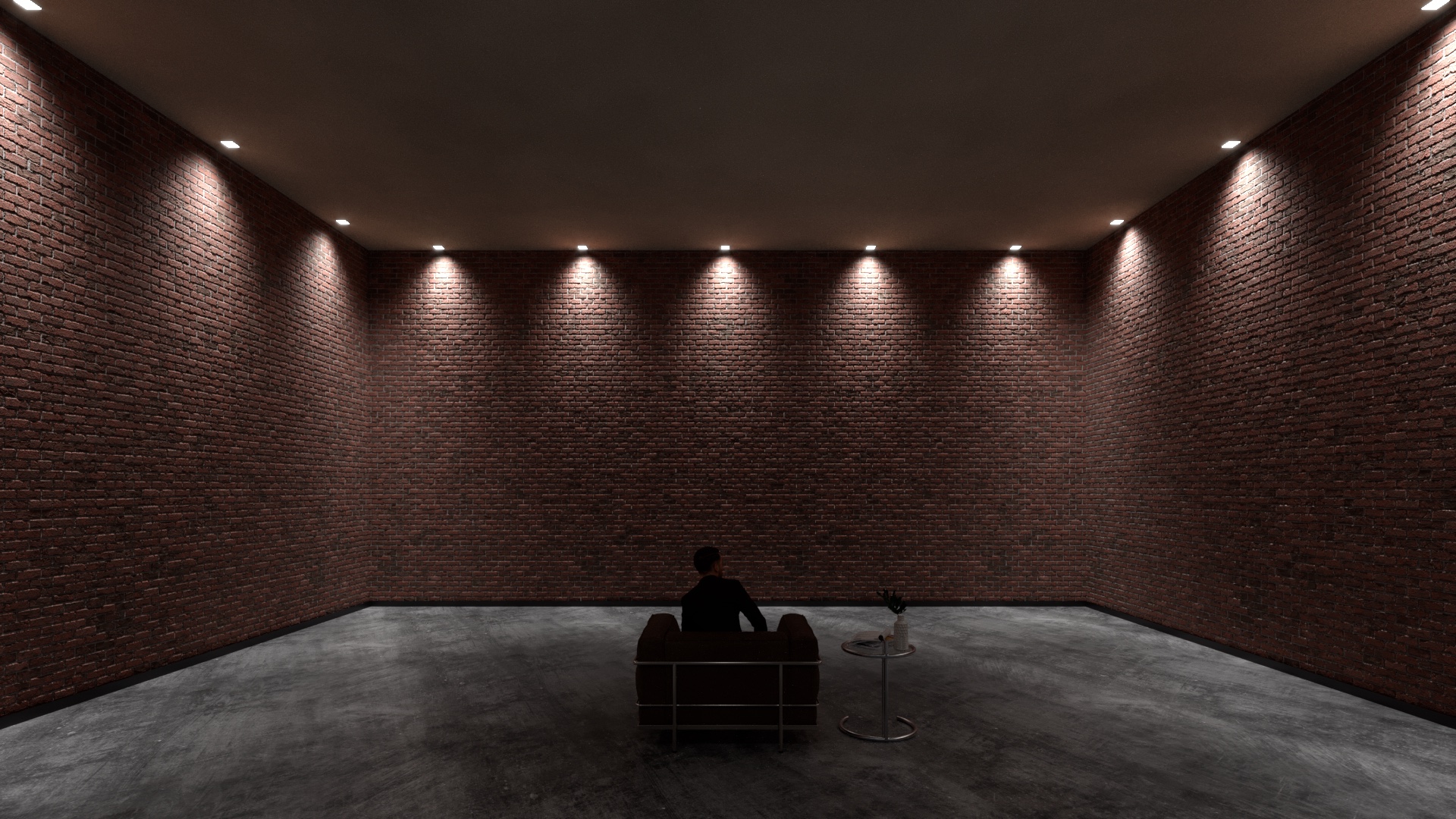
2. Spotlighting on Vertical Surfaces
Lighting Technique: Precision spotlights project focused beams onto the brick walls, leaving the remaining space in relative darkness. Emotional Effect: The sharp interplay of light and shadow accentuates the wall texture, evoking a minimalist and austere ambiance. Unlike traditional lighting techniques that prioritize even illumination to emphasize content uniformly across walls, this method intentionally leverages contrast to create visual intrigue and emotional depth. This approach is particularly suited for gallery displays or contemporary architectural installations, offering a fresh perspective on spatial storytelling
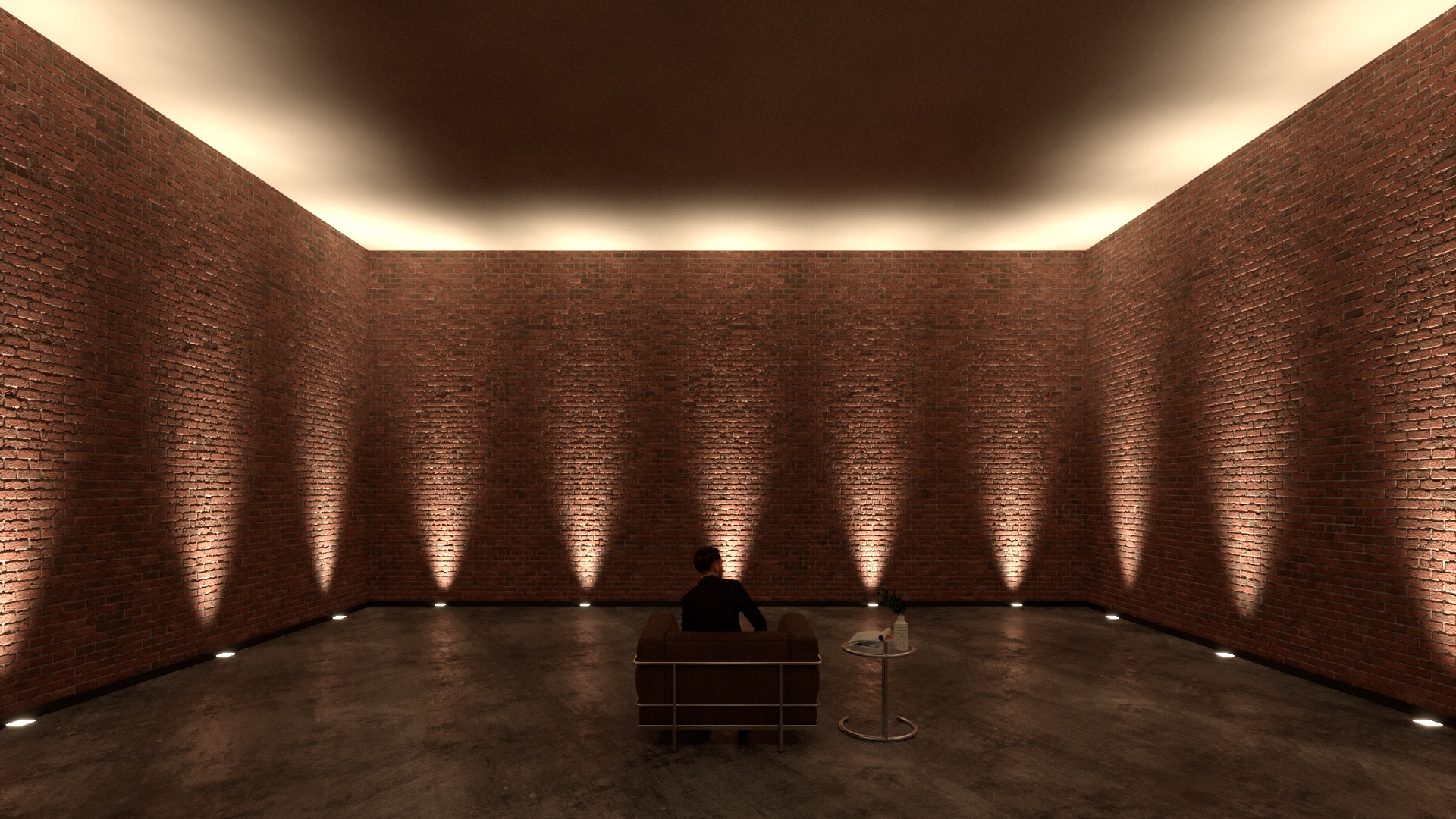
3. Floor-Mounted Warm Lighting
Lighting Technique: Floor-level spotlights emit warm-toned light upwards along the walls, complemented by subtle ceiling illumination. Emotional Effect: The warm whites create an inviting and intimate setting, reminiscent of a domestic or romantic environment. The upward flow of light imbues the space with softness and emotional warmth, ideal for settings requiring a sense of comfort. Floor lights, particularly in event contexts, are one of the simplest ways to imbue a room with emotional resonance.
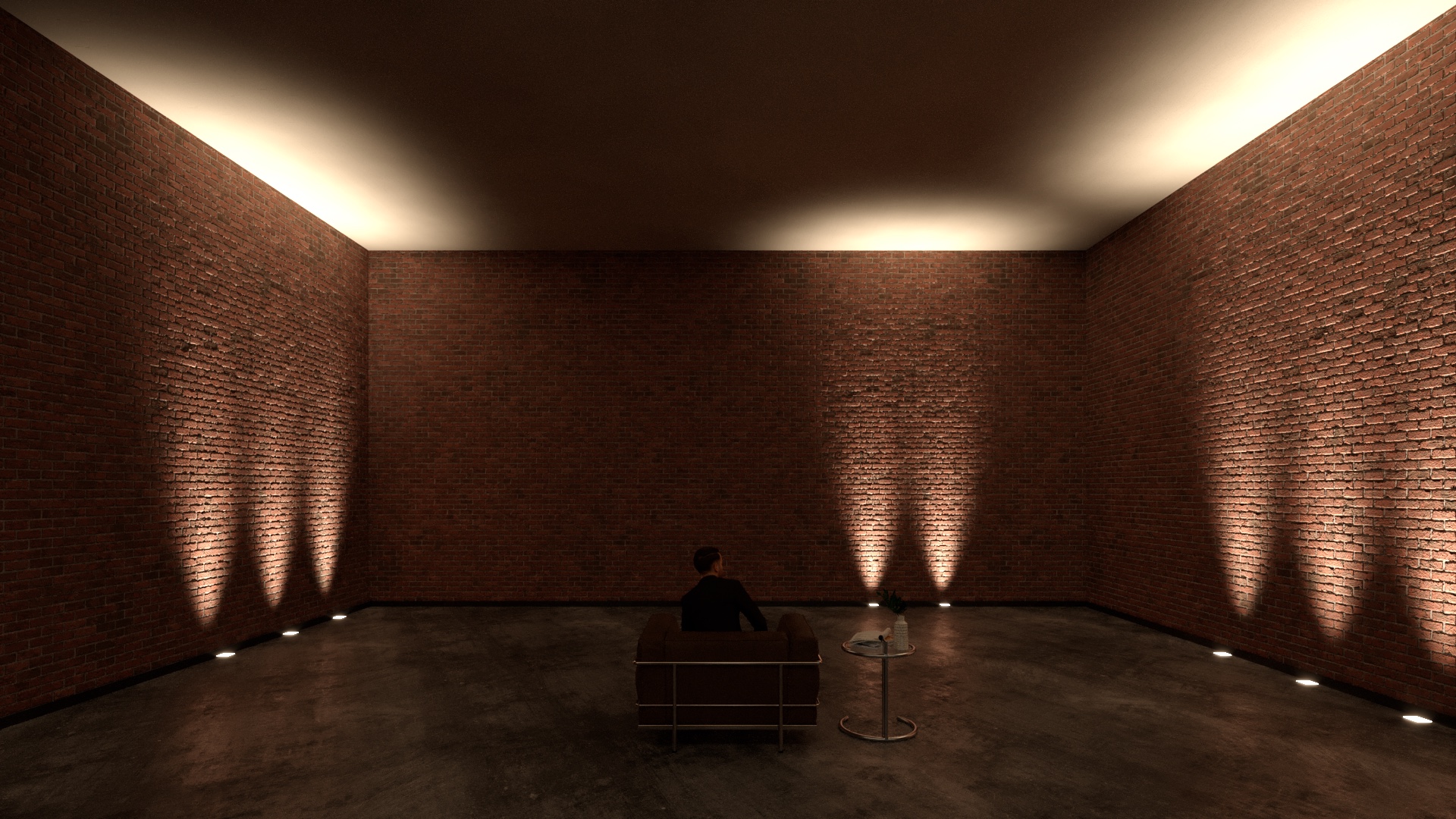
4. Grouped Floor Light Elements to Dissolve Spatial Boundaries
Lighting Technique: Identical floor-mounted uplights are grouped strategically, creating patterns of illumination that interact dynamically with the space. Emotional Effect: This technique uses repetition to dissolve the rigidity of architectural boundaries, transforming the room into a more fluid and engaging environment. By clustering similar light elements, the space gains rhythm and complexity, sparking curiosity and emotional resonance. This method departs from traditional indirect ceiling illumination by directly challenging spatial cohesion, making it a powerful choice for dramatic event settings or thought-provoking installations.
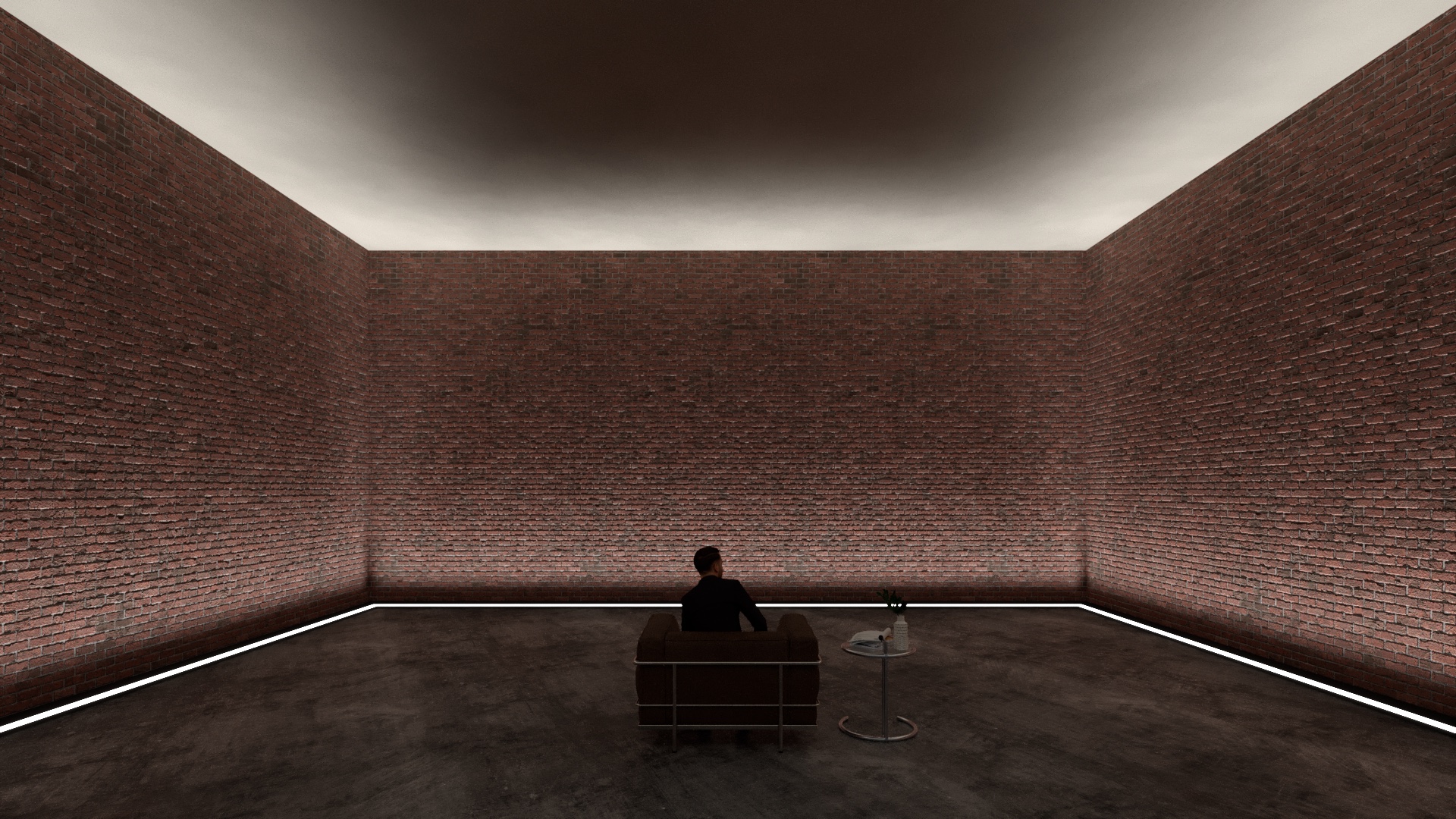
5. Linear Light Bands Creating Vertical Wall Gradients
Lighting Technique: Light bands integrated into the design generate uniform, vertical light gradients along the walls. Emotional Effect: This method generates a softened, diffused light that enhances spatial clarity without overwhelming the senses. The resulting ambiance is harmonious and sophisticated, lending itself well to environments that prioritize understated elegance and comfort, such as lounges or upscale event venues. Additionally, its futuristic undertone offers a subtle sense of innovation, aligning it with modern, forward-thinking design narratives.
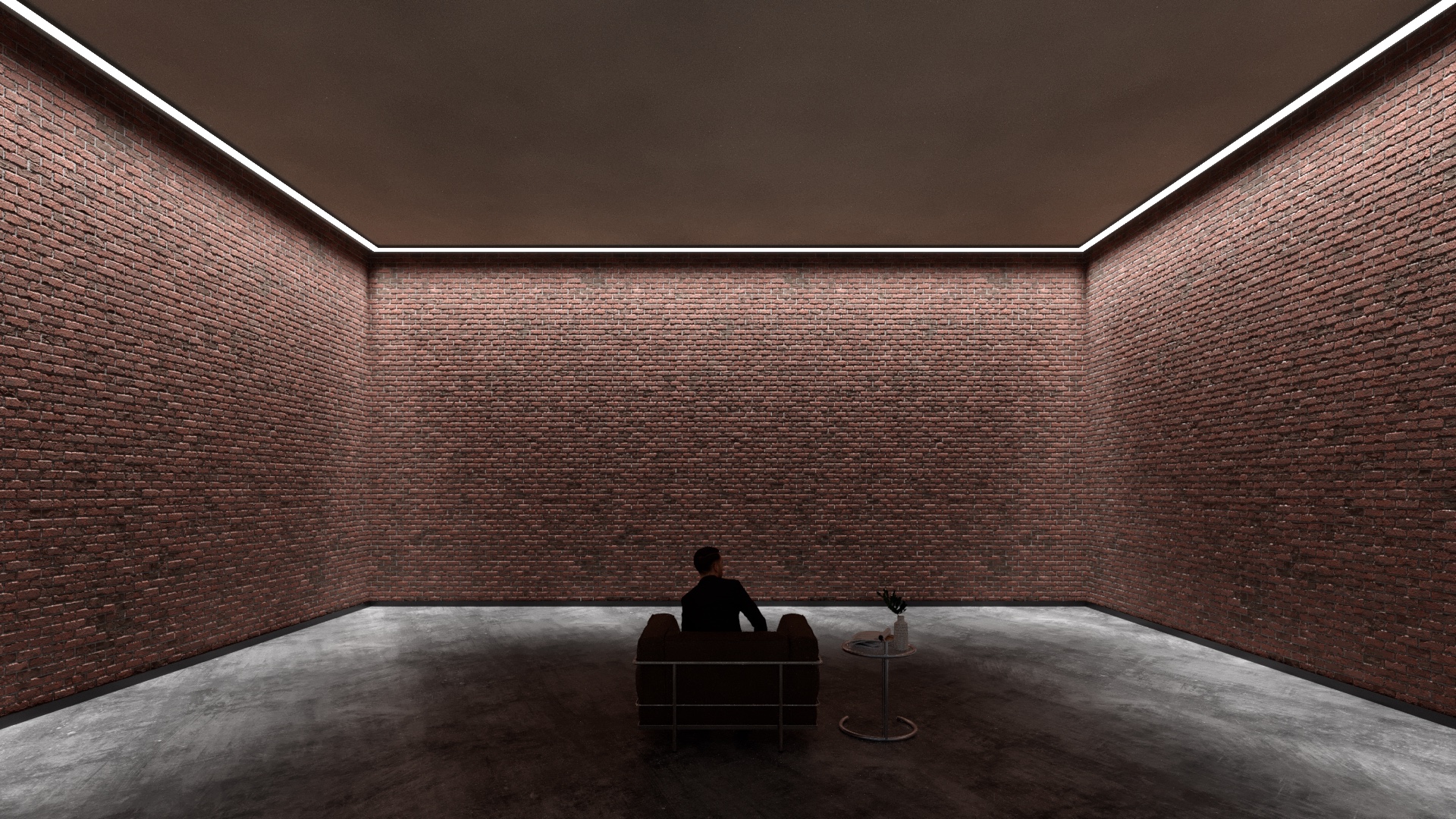
6. Perimeter Lighting at the Ceiling Edge
Lighting Technique: LED strips integrated along the ceiling edge cast an indirect, upward-facing glow. Emotional Effect: This approach creates an illusion of vertical openness, producing an elevated and elegant ambiance. The soft illumination contributes to a sense of sophistication and ceremonial gravitas, ideal for modern formal contexts.
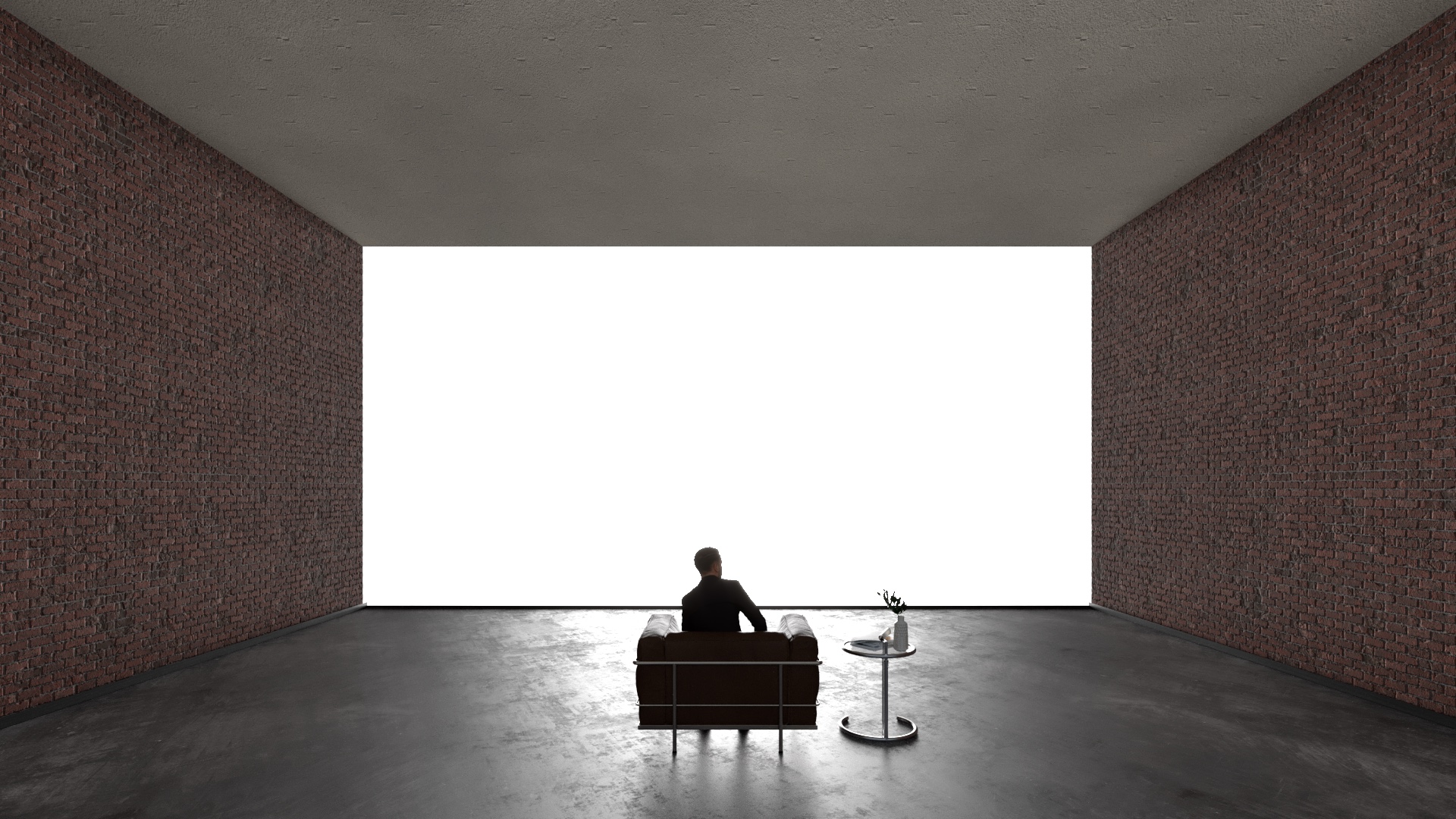
7. Fully Backlit Wall Surface
Lighting Technique: A homogenous light source uniformly illuminates an entire wall from behind. Emotional Effect: The backlit wall becomes a focal point, commanding attention and emphasizing depth. This dramatic configuration lends itself to theatrical settings or spaces designed for impactful visual statements. Simultaneously, it can act as a virtual window to the outside, imbuing a windowless space with a sense of connection to an external reality that does not physically exist.
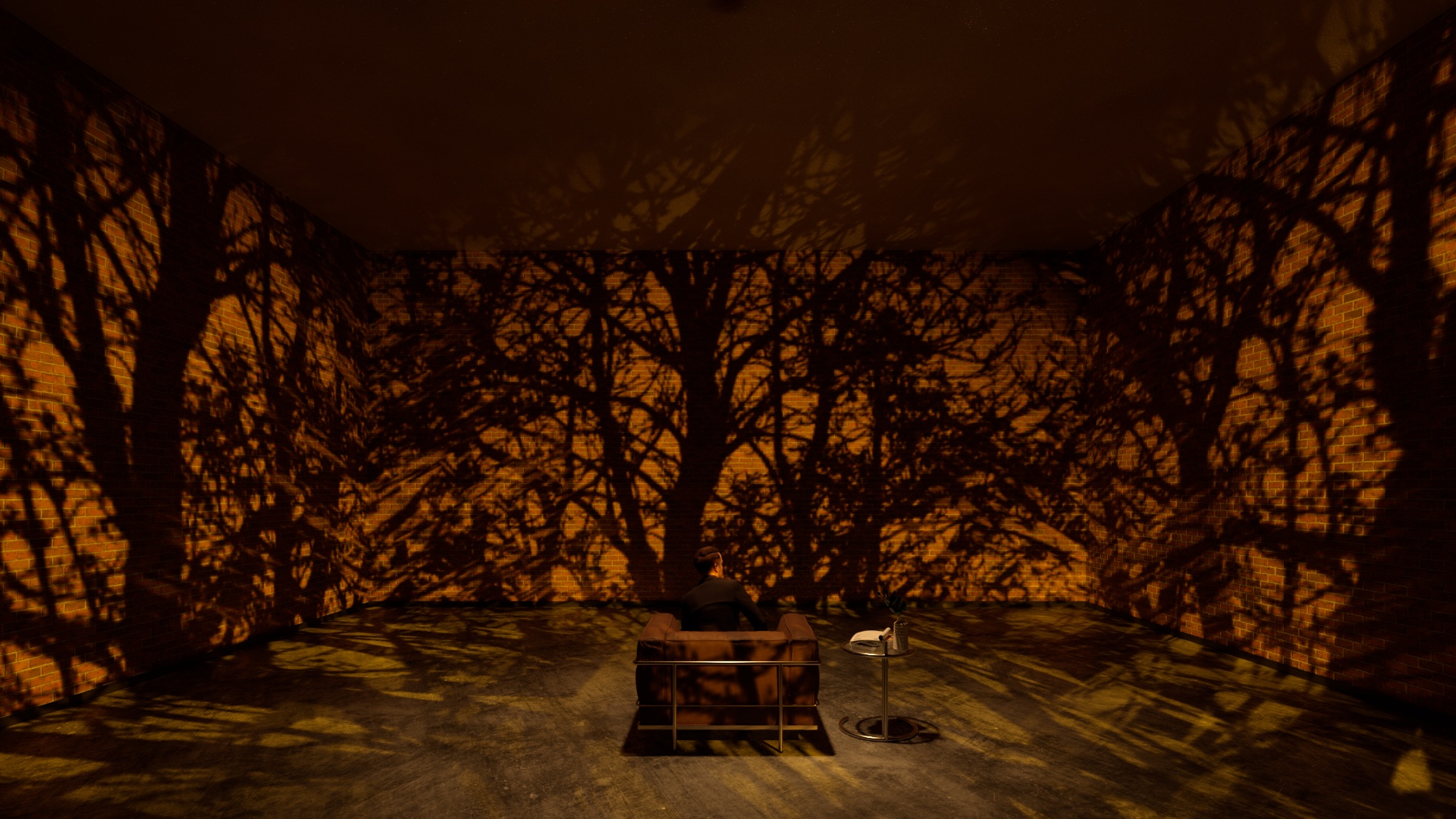
8. Gobo Projection
Lighting Technique: Gobo spotlights project intricate patterns, creating depth and dynamic interplay between light and shadow. Emotional Effect: The dialogue of light and shadow can evoke a wide range of emotions, from mystery and intrigue to focus and narrative depth, depending on the chosen pattern. With minimal resources, this method can imbue a space with remarkable dramaturgical density, amplifying its atmospheric and narrative impact.
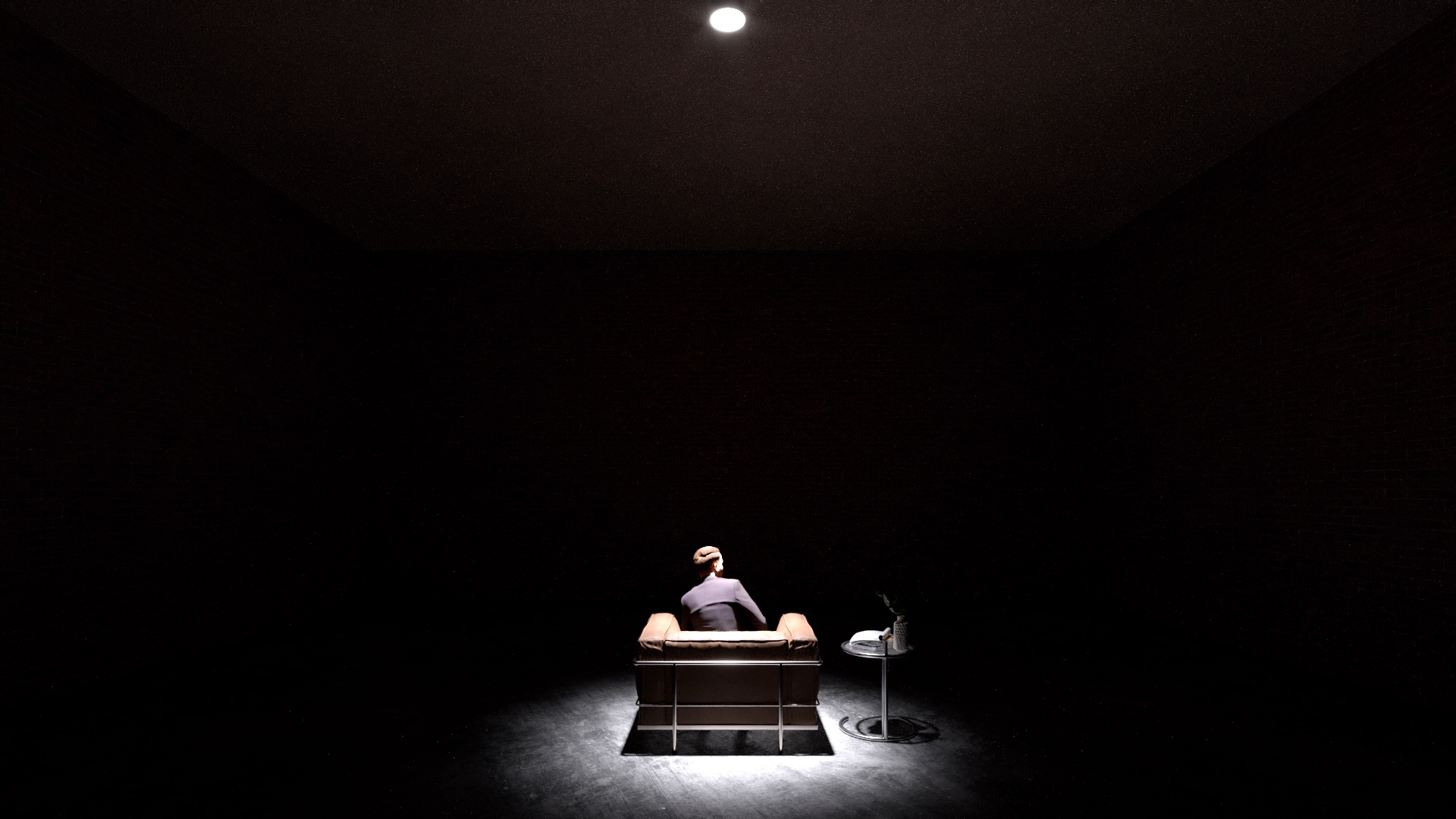
9. Focused Spotlight on a Central Object
Lighting Technique: A single overhead spotlight isolates the central area, leaving peripheral regions in darkness. Emotional Effect: This setup accentuates introspection and drama by narrowing attention to a singular focal point. The deliberate decision to dissolve the surrounding space into darkness and highlight only specific objects imbues these elements with profound narrative significance.
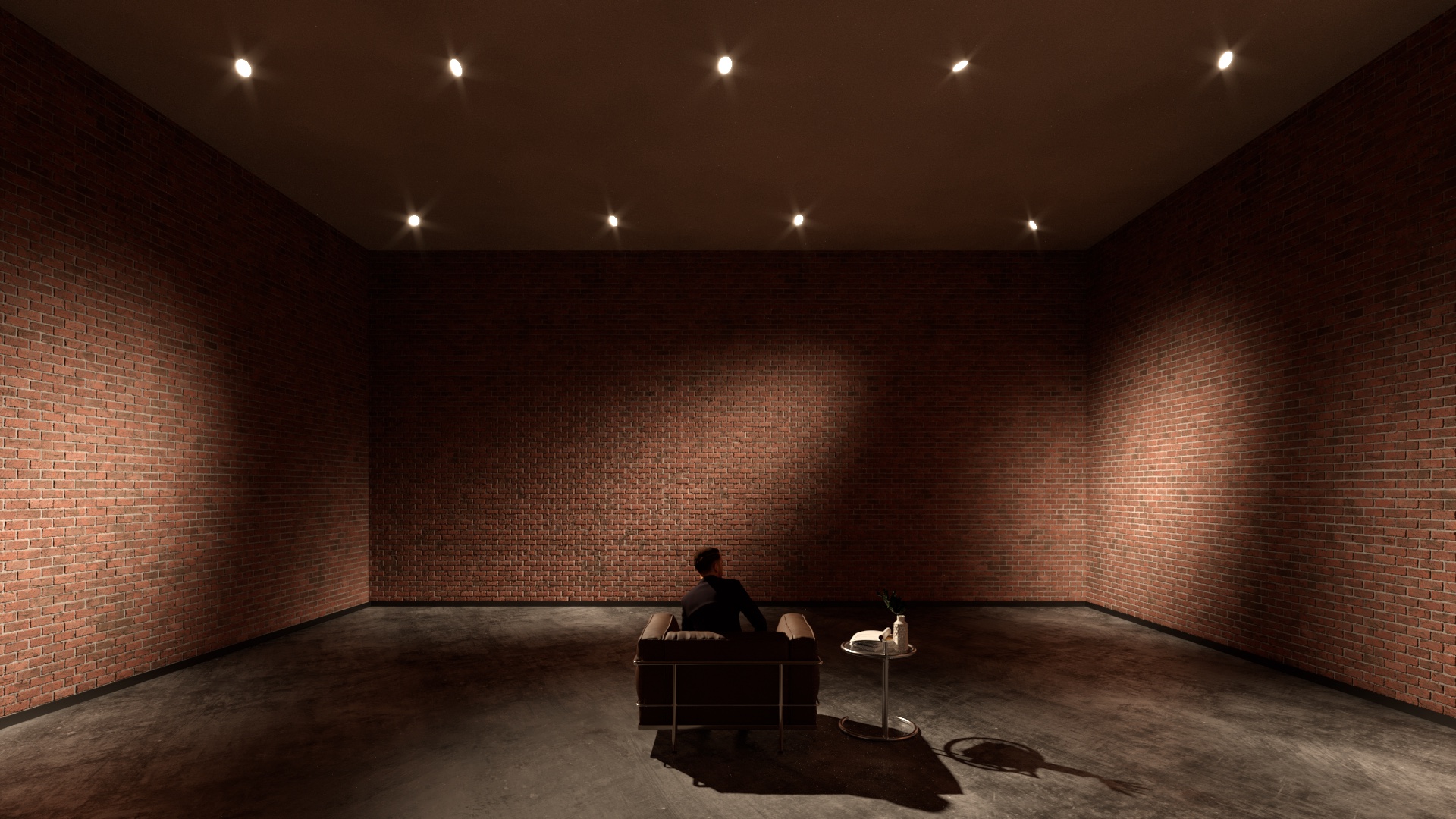
10. Individual Ceiling-Mounted Spotlights for Curated Effects
Lighting Technique: Individually aimed ceiling-mounted spotlights create defined light islands, strategically illuminating specific areas or objects while leaving other zones in shadow. Emotional Effect: This lighting enables a dynamic interplay of light and shadow, emphasizing architectural or spatial details. By creating focused light islands, it offers a naturally curated ambiance that adds to the emotional depth of the space. Even seemingly unremarkable corners can be transformed into captivating focal points, enhancing the overall atmosphere and making the space feel more welcoming and thoughtfully designed.
Light’s Emotional Directionality
As we can see from the examples, the direction of the light source plays a decisive role. Light emanating from above often evokes feelings of authority, formality, or even spirituality, aligning with its historical and cultural associations in religious spaces or grand architecture. Conversely, light from the side tends to create intimacy and collaboration, casting softer shadows that add depth and approachability. These directional choices allow lighting designers to shape the audience’s emotional response, reinforcing or subverting the intended narrative. Designers should consider these dynamics when conceptualizing environments, ensuring that lighting direction aligns with the space’s objectives.
Lighting Insights for Project Leaders
For project leaders in events, exhibitions, and architectural design, the insights from this exploration offer practical pathways to enhance both functionality and emotional impact:
Strategic Value: Thoughtful lighting choices can align environments with specific project goals, whether creating immersive experiences, emphasizing architectural features, or reinforcing brand identity. Optimized Impact: Maximizing emotional and spatial impact through lighting need not require excessive resources. By understanding lighting's emotional nuances, designers can prioritize decisions that deliver high returns on investment. Tailored Experiences: Lighting design tailored to the target audience ensures a resonant experience. Whether addressing cultural sensitivities or demographic preferences, such customization encourages inclusivity and engagement, enhancing the overall success of a project. Differentiation: Exceptional lighting can set a project apart in competitive markets. A distinctive, emotionally resonant environment leaves a lasting impression, elevating both reputation and appeal.
The Role of Lighting Designers
Collaboration with skilled lighting designers is central to scenographic success. Their command of color temperature, direction, intensity, and control translates an abstract spatial idea into an experience that works emotionally and technically. Every lighting element then serves the larger narrative—from guiding attention to creating depth and lasting atmosphere.
A Bright Conclusion
For project leaders, these insights highlight lighting design as a strategic asset. Beyond aesthetics, intentional lighting shapes narratives, directs focus, and evokes emotional resonance, transforming spaces into memorable and impactful environments.
How have you experienced the transformative power of light in a space? I invite you to share your insights and reflections in the comments below.